






 Home
Home


Search

Get Quote

Related Products
Product Description
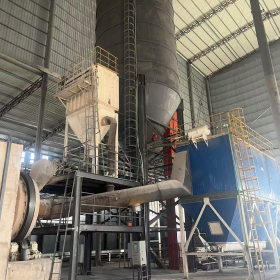
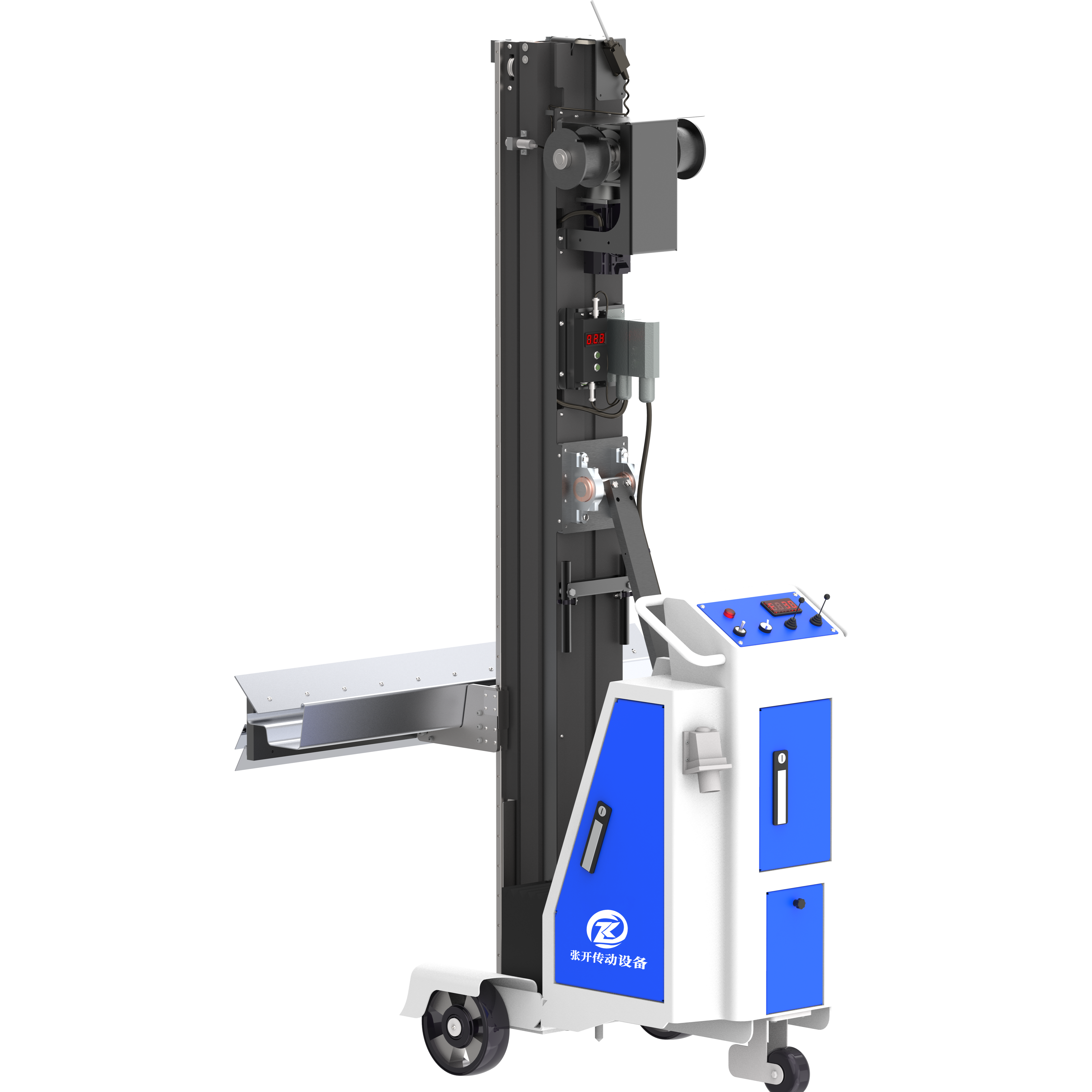
The mortar spraying machine is an automated device, primarily composed of mortar preparation, delivery, spraying, control, and auxiliary systems. It produces stable mortar through precise batching and efficient mixing systems, and delivers the mortar to the spraying machine via the delivery system. The spraying system uses high-pressure spraying technology to ensure an even spraying effect. The control system precisely adjusts the spraying process, providing stable and intelligent operation, while also featuring an environmentally friendly design to reduce energy consumption and dust emissions. The entire system is efficient, flexible, and easy to maintain, adapting to various construction environments.
Get Quote
Related Products
Product Video
Product Features
Mortar Preparation System:
High Automation:
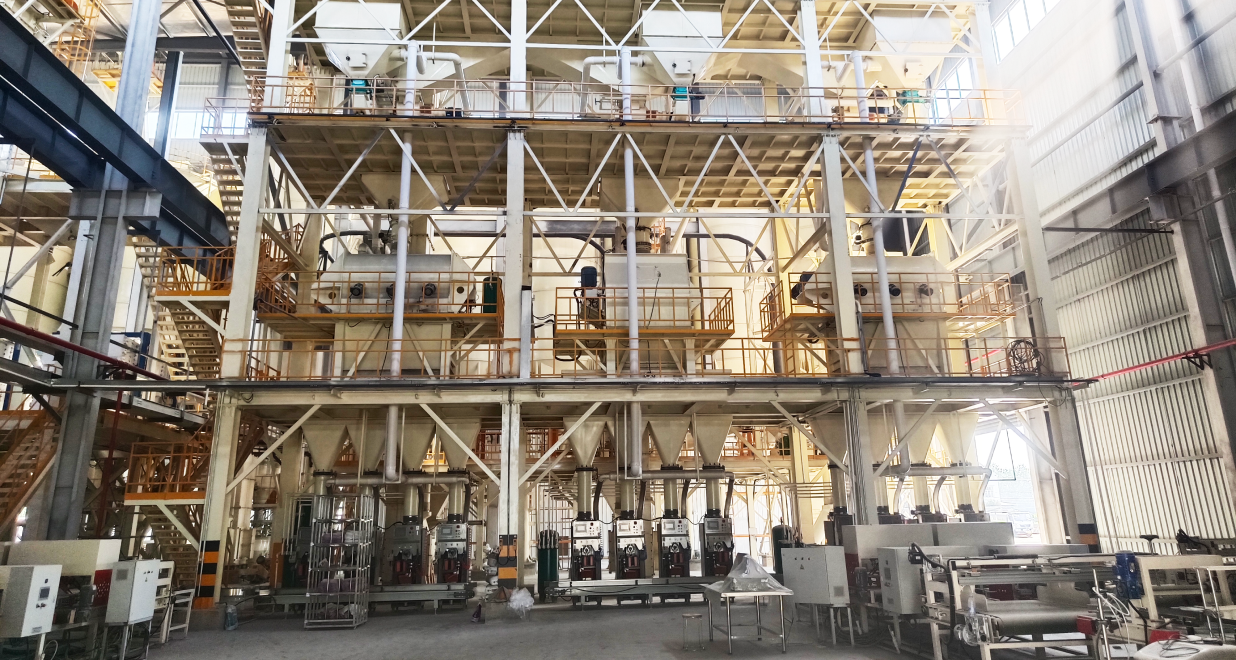
1. Modern mortar preparation systems are typically equipped with advanced automated control systems that can automatically handle processes such as raw material dosing, mixing, conveying, and packaging.
2. The automated control system not only improves production efficiency but also reduces human errors, ensuring the stability of product quality.
High Dosing Accuracy:
1. The mortar preparation system uses precise weighing systems, such as different types of measuring systems for aggregates, powders, additives, etc., to ensure accurate raw material ratios.
2. The dosing systems generally use precise weighing sensors and advanced microcomputer control, with functions such as drop tracking, automatic error compensation, and fault diagnosis, further enhancing dosing accuracy.
Good Mixing Uniformity:
1. The mortar preparation system is equipped with efficient mixing equipment, such as double-shaft paddle non-gravity (plow) mixers, ensuring that various raw materials are evenly mixed.
2. The design and manufacturing of the mixing equipment usually consider the material properties and mixing requirements to ensure that the mixed mortar is uniform and stable.
High Production Flexibility:
1. Mortar preparation systems generally offer various structural forms, such as tower-type process layouts, station-type mortar production lines, and one-stop double-machine mortar production lines, which can be customized based on the customer's product formulation requirements and different investment scales.
2. This flexibility allows the mortar preparation system to adapt to different customer needs and market changes, enhancing market competitiveness.
Environmentally Friendly and Energy-Saving:
1. Mortar preparation systems are typically designed with environmental and energy-saving considerations, adopting sealed structures and dust removal equipment to effectively control dust emissions.
2. Additionally, the system uses low-noise, low-energy-consuming equipment and technologies, reducing environmental impact and energy consumption.
Easy to Maintain and Service:
1. The equipment of the mortar preparation system usually adopts a modular design, making it easy to disassemble and install, reducing the difficulty of maintenance and servicing.
2. Furthermore, the system is equipped with a comprehensive fault diagnosis and alarm system, which can quickly detect and resolve issues, ensuring the normal operation of the equipment.
High Intelligence:
1. With the development of technology, mortar preparation systems are gradually becoming more intelligent. For example, IoT technology is used to enable remote monitoring and data analysis of the equipment, improving production management efficiency and accuracy.
2. At the same time, intelligent mortar preparation systems can adjust autonomously based on production data and market changes, further enhancing production efficiency and product quality.
Conveying System:
High Efficiency:
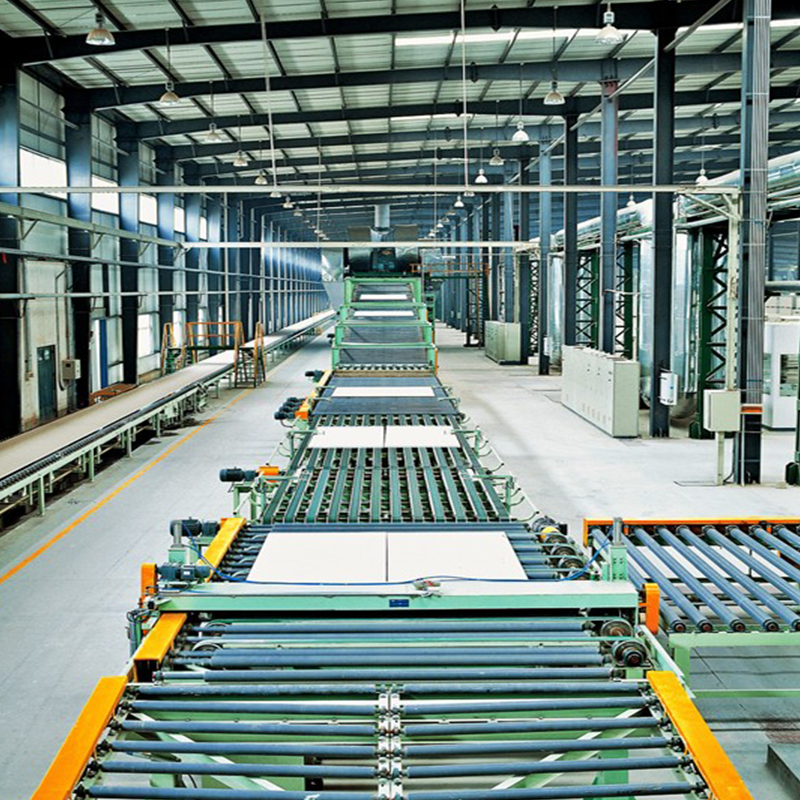
1. The conveying system is typically designed with high-speed running belts or pipelines that can quickly transport materials from one station to another, significantly improving production efficiency.
Continuity:
1. The conveying system ensures continuous and uninterrupted material transportation, preventing production disruptions and ensuring the stable operation of the production line.
Flexibility:
1. The conveying system can be flexibly arranged and adjusted based on the production line layout and process requirements. For example, the conveyor belts can be designed in straight, curved, or ring shapes to accommodate different production needs.
Automation:
1. Modern conveying systems are usually equipped with automated control systems that can precisely control parameters such as conveying speed and material flow. Additionally, sensors and other devices can monitor the material transportation status in real-time, ensuring smooth production.
Compatibility:
1. The conveying system can handle various types of materials, including solids, liquids, and powders. The material and design of the system can also be adjusted according to different material characteristics to ensure that the materials are not damaged or contaminated during transport.
Safety:
1. The design of the conveying system typically considers safety factors, such as safety shields and emergency stop buttons, to prevent accidental injury to operators. The system also has fault alarms and emergency shutdown functions to stop the system in case of failure and ensure safe production.
Easy to Maintain:
1. The structure and design of the conveying system usually consider ease of maintenance, such as modular design and easily disassembled components, to reduce maintenance difficulty and cost.
Spraying System:
Wide Applicability of Spraying Materials:
1. The spraying system can handle various types of spraying materials, including but not limited to putty powder, paint, latex paint, real stone paint, cement mortar, dry powder mortar, and thermal insulation mortar. This wide adaptability allows the spraying system to meet the needs of different construction projects.
Even Spraying with Strong Adhesion:
1. Through high-pressure spraying technology, the spraying system can apply materials like mortar evenly onto walls or other surfaces. The spraying materials adhere more firmly to the surface under high pressure, forming a durable coating.
2. Adjustable Flow and Spraying Effect:
3. The spraying system is usually equipped with a flow regulation device that allows the adjustment of spraying flow and speed according to construction needs. This capability enables the system to achieve the best spraying effect based on different construction environments and material characteristics.
Simple Operation and High Efficiency:
1. The spraying system is generally easy to operate, and construction workers can quickly master the operation with minimal training. Moreover, the high efficiency of the spraying system significantly shortens the construction period, improving construction efficiency.
Compact and Portable Equipment:
1. The spraying system's equipment is relatively small in size, with components or structures designed for easy mobility. This makes the spraying system adaptable to different construction sites and environments.
Multi-functionality and Applicability:
1. The spraying system is suitable not only for spraying operations on interior and exterior walls of buildings but also for surface plastering on floors, roofs, and beam-column structures. Additionally, the spraying system can be customized and improved based on specific construction needs.
Low Accessory Costs and Simple Maintenance:
1. The accessories of the spraying system are usually easy to purchase and relatively inexpensive, reducing construction costs. Additionally, maintenance of the spraying system is straightforward, and workers can resolve common issues with simple repairs.
High and Stable Construction Quality:
1. The spraying system ensures stable and high-quality construction by precisely controlling the spraying flow and speed, as well as ensuring even spraying. This helps reduce quality issues and rework during construction.
Control System:
High Automation:
1. The control system is typically equipped with advanced automated components and sensors that can monitor parameters during the spraying process, such as spraying speed, pressure, and quantity, and automatically adjust these parameters according to preset programs to ensure stability and consistency in spraying operations.
Precise Control:
1. Through high-precision sensors and algorithms, the control system can achieve precise control over the spraying process. This includes ensuring uniform spraying thickness, precise adjustment of spraying width, and accurate control of spraying angle and distance, ensuring high-quality construction.
Simple Operation:
1. The control system usually adopts user-friendly designs with intuitive interfaces, allowing workers to easily master operations. The system also features fault alarms and prompts, providing solutions and warning users of problems to reduce operational difficulty and complexity.
Safe and Reliable:
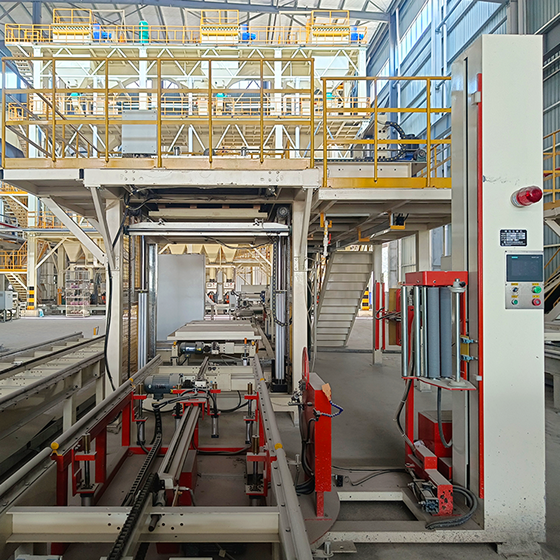
1. The control system is designed with safety in mind, including protection features like overcurrent, overpressure, and undervoltage safeguards to prevent damage or safety accidents in abnormal situations. Additionally, the system is equipped with emergency stop buttons and other safety measures to ensure quick shutdown and protection in emergencies.
Easy to Maintain and Upgrade:
1. The control system's structure and design typically consider ease of maintenance and upgrades. For example, modular designs allow components to be easily disassembled and installed, facilitating routine maintenance and troubleshooting. The system also supports software upgrades and remote maintenance functions, allowing workers to conveniently update system features and fix known issues.
Strong Expandability:
1. The control system usually has excellent expandability, allowing customization and improvement based on construction needs. For instance, new sensors and actuators can be added to extend system functionality, or software upgrades can be performed to adapt to new construction environments and material characteristics.
Auxiliary Equipment:
Special Structural Design:
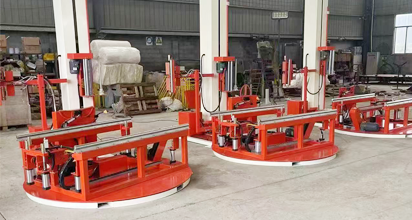
1. Auxiliary mixing equipment typically adopts special structural designs, such as the clever combination of fixed wheels, support rods, sliding grooves, and shafts inside the mixing machine body, ensuring more efficient and stable mixing.
High Mixing Efficiency:
1. By using lifting devices to drive the turntable within a certain range, auxiliary mixing equipment greatly improves the mixing efficiency of mortar. This design reduces mixing time and improves the mixing effect of the mixer.
Good Mixing Uniformity:
1. The special mixing direction and structure design ensure that the mortar is mixed more uniformly, helping to guarantee the consistency and quality of the mortar during spraying operations.
Easy to Operate and Maintain:
1. Auxiliary mixing equipment is typically designed with intuitive operation interfaces and easy-to-disassemble component structures, allowing operators to easily master the operation methods and perform daily maintenance and troubleshooting.
Strong Adaptability:
1. Auxiliary mixing equipment is adaptable to different types of mortar materials and varying mixing needs. By adjusting mixing parameters and component configurations, it can efficiently mix different types of mortar.
High Safety:
1. In the design and manufacturing process, auxiliary mixing equipment fully considers safety factors. For example, protection functions like overcurrent and overpressure safeguards prevent equipment damage or safety accidents in abnormal situations. The equipment also includes emergency stop buttons and other safety features to ensure operator safety.
Show All